




 Servicios personalizados
 Inglés (pdf)
 Articulo en XML
 Referencias del artículo
 Traducción automática
 Enviar articulo por email
 Citado por SciELO
  Citado por Google
  Similares en
SciELO
Similares en
SciELO  Similares en Google
 Permalink
Health Psychology is the study of psychological and behavioural processes related to health and illness (Johnston, 1997). It focuses on understanding how psychological, behavioural, and cultural factors contribute to physical health and disease (Buela-Casal & Castro, 2008). Paediatric Psychology, or Child and Adolescent Health Psychology (the use of one term or the other depends on institutional traditions-Child and Adolescent Health Psychology is more commonly used in Spain and Europe, while Paediatric Psychology is more typical in the United States), more specifically:
Pediatric psychology is an integrated field of science and practice in which the principles of psychology are applied within the context of pediatric health. The field aims to promote the health and development of children, adolescents, and their families through use of evidence-based methods [...] Areas of expertise within the field include, but are not limited to: psychosocial, developmental and contextual factors contributing to the etiology, course and outcome of pediatric medical conditions; assessment and treatment of behavioral and emotional concomitants of illness, injury, and developmental disorders; prevention of illness and injury; promotion of health and health-related behaviors; education, training and mentoring of psychologists and providers of medical care; improvement of health care delivery systems and advocacy for public policy that serves the needs of children, adolescents, and their families (Society of Pediatric Psychology, n.d.).
The field of paediatric psychology has seen considerable development over the past 20 years (Palermo, 2014). Evidence of this growth includes the establishment of Division 54 (Society of Pediatric Psychology) of the American Psychological Association, its associated journals, Journal of Pediatric Psychology and Clinical Practice in Pediatric Psychology, and the publication of key reference manuals (Ortigosa et al., 2003; Roberts & Steele, 2018; Roberts et al., 2014; Rosa et al., 2012). In the field of health, significant progress has been made in providing empirical support for psychological interventions aimed at improving the health and behaviour of children, young people, and families facing paediatric health problems (Ortigosa et al., 2003; Palermo, 2014; Roberts & Steele, 2018).
Within child and adolescent health psychology, particular emphasis is placed on addressing chronic and/or severe illnesses and health problems, given their impact on well-being and quality of life, as well as the challenges they pose for care. Epidemiological studies suggest that up to one in four minors has a chronic illness (Bethell et al., 2011; Cortés et al., 2020). Among the most prevalent conditions in this population are obesity, diabetes, and epilepsy (Miller et al., 2016), while others such as cancer, brain injury, heart disease, and chronic pain are associated with high emotional and functional burden (Roberts & Steele, 2018). In paediatric chronic illnesses, adherence remains a frequent challenge (Graves et al., 2010), and in severe conditions, palliative care is essential to improving family quality of life (Grupo de trabajo de la Guía de Práctica Clínica sobre Cuidados Paliativos en Pediatría, 2022). Psychological and behavioural factors also play a central role in the aetiology and maintenance of feeding and eating disorders, as well as functional and somatic symptom disorders (Agarwal et al., 2019; Van Wye et al., 2023).
Despite its importance and the advances of recent years, there is currently no updated review of psychological treatments for child and adolescent health problems that compiles a broad spectrum of conditions and describes their level of evidence and degree of recommendation. Nor are there recent manuals or clinical practice guidelines available to assist professionals in the selection and application of best-practice treatments for paediatric health problems. Such resources do exist for psychological disorders in childhood and adolescence (Fonseca-Pedrero et al., 2021), but not for chronic and/or severe paediatric health conditions that are not classified as mental disorders. Having empirical evidence for psychological treatments-even while recognising the limitations and biases inherent in evidence-based models (Pérez-Álvarez & Fonseca-Pedrero, 2021)-is essential to understanding the benefits (and risks) of any intervention with quality assurance.
Accordingly, the aim of this study was to conduct a review of empirically supported psychological treatments for addressing a range of health problems in the child and adolescent population, and to establish recommendations based on their level of evidence.
Method
This project was a collaborative selective review, in which the authors were provided with detailed guidance on the review structure, methodology, and presentation of results, following the recommendations of Palermo (2014) and the Grupo de trabajo para la actualización del Manual de Elaboración de Guías de Práctica Clínica (2016). This approach enabled consistency and methodological rigour across the body of evidence pertaining to each paediatric psychology intervention. A four-phase process was followed to conduct the reviews. In the first and second phases, the scope and objectives were defined by formulating the research question (PICO format: Richardson et al., 1995) and establishing the evidence search strategy (through search engines, relevant scientific databases, and recognised websites hosting clinical practice guidelines). In the third phase, the literature search was conducted and data extracted; in the fourth phase, the evidence was analysed and the quality of the findings appraised (Figure 1).
The system employed to analyse levels of evidence and grades of recommendation was that proposed by the Clinical Practice Guidelines of the Spanish National Health System, based on the criteria of the Scottish Intercollegiate Guidelines Network (SIGN) (Table 1). To enhance the reliability of treatment classification, cross-evaluation was conducted by two authors. In cases of disagreement, a reasoned consensus process was applied until agreement was reached. Supplementary Material 1 (https://repositoriosaludmadrid.es/rest/api/core/bitstreams/d1bdf518-ecaf-4ccf-b0b6-d8365e161a89/content) include the instructions provided to authors for conducting the review and evaluating the evidence, a synthesis of the reviewed studies, and the results from each phase of the overall review process.
The selection of paediatric health conditions was based on those identified by expert groups according to their prevalence and psychological impact (Ortigosa et al., 2003; Roberts & Steele, 2018). All included conditions were chronic and/or severe health issues, and transversal themes relevant to health (therapeutic adherence, chronic pain, and palliative care) were also considered.
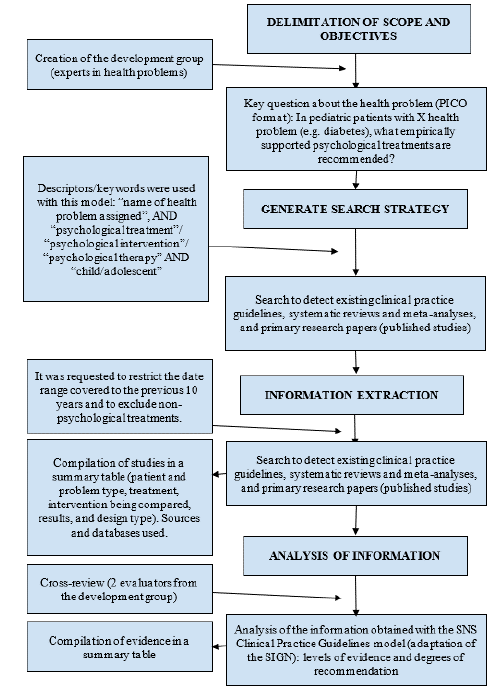
Figure 1 Phases of the Review Conducted (adapted from the Working Group for the Update of the Clinical Practice Guidelines Development Manual, 2016)
Table 1 Levels of Evidence and Grades of Recommendation from the Clinical Practice Guidelines of the Spanish National Health System
| Levels of evidence | |
|---|---|
| 1++ | Meta-analyses, systematic reviews of randomized controlled trials (RCTs), or high-quality RCTs with very low risk of bias. |
| 1+ | Meta-analyses, systematic reviews of RCTs, or well-conducted RCTs with low risk of bias. |
| 1- | Meta-analyses, systematic reviews of RCTs, or RCTs with high risk of bias. |
| 2++ | Systematic reviews of cohort studies or case-control studies of high quality, cohort studies or case-control studies with very low risk of bias and high probability of establishing a causal relationship. |
| 2+ | Well-conducted cohort studies or case-control studies with low risk of bias and moderate probability of establishing a causal relationship. |
| 2- | Cohort studies or case-control studies with high risk of bias. |
| 3 | Non-analytical studies, such as case reports and case series. |
| 4 | Expert opinion. |
| Grades of recommendation | |
| A | At least one meta-analysis, systematic review of RCTs, or RCTs of level 1++, directly applicable to the target population, or sufficient evidence derived from level 1+ studies, directly applicable to the target population, demonstrating overall consistency in the results. |
| B | Sufficient evidence derived from level 2++ studies, directly applicable to the target population, demonstrating overall consistency in the results. Evidence extrapolated from level 1++ or 1+ studies. |
| C | Sufficient evidence derived from level 2+ studies, directly applicable to the target population, demonstrating overall consistency in the results. Evidence extrapolated from level 2++ studies. |
| D | Evidence from level 3 or 4 studies. Evidence extrapolated from level 2+ studies. |
Results
Twelve systematic reviews were conducted to document the empirical support for psychological interventions. A summary of the findings, levels of evidence, and strength of recommendation for psychological treatments targeting selected pediatric health conditions and cross-cutting health-related issues is presented below. Results reaching an evidence level of 1++, 1+, or 2+ are summarized in Tables 2 and 3. Supplementary material includes detailed information on the reviewed studies and their characteristics (https://repositoriosaludmadrid.es/rest/api/core/bitstreams/d1bdf518-ecaf-4ccf-b0b6-d8365e161a89/content).
Table 2 Levels of Evidence and Grades of Recommendation for Psychological Interventions for Pediatric and Adolescent Health Issues
| Reference | Intervention | Evidence level | Grades of Recommendation |
|---|---|---|---|
| Cancer | |||
| Law et al. (2019)△ Eche et al. (2021)△ Sánchez-Egea et al. (2019)△ | Cognitive Behavioural Therapy (CBT) for parents and children (preschoolers, school-age children, adolescents) | 1++ | A |
| Brier et al. (2015)△ | Neurocognitive interventions (school-age children, adolescents) | 1++ | A |
| Flowers & Birnie (2015)△ | Combined cognitive-behavioral treatments, distraction techniques, and hypnosis for painful invasive medical procedures (preschoolers, school-age children, adolescents) | 1++ | A |
| Sánchez-Egea et al. (2019)△ Eche et al. (2021)△ | Family psychoeducation (preschoolers, school-age children, adolescents) | 1+ | B |
| Kazak et al. (2004) | Cognitive Behavioural Therapy (CBT) for post-traumatic stress disorder (adolescents) | 1+ | B |
| Law et al., (2019)△ | Motivational interviewing in patients undergoing active treatment or survivors (preschoolers, school-age children, adolescents) | 2+ | C |
| Tomlinson et al. (2020)△ | Mindfulness-based interventions (school-age children, adolescents) | 2+ | C |
| Acquired Brain Injury | |||
| Corti et al. (2019; 2020; 2023) McKay et al. (2019) | Computerized cognitive training (school-age children, adolescents) | 1++ | A |
| Brandt et al. (2021) Hypher et al. (2022) | Training in metacognitive strategies and psychoeducation (school-age children, adolescents) | 1++ | A |
| Shen et al., (2023)△ | Family interventions (school-age children, adolescents) | 1++ | A |
| Brown et al. (2014) | Triple P (SSTP) + Acceptance and Commitment Therapy (ACT) (preschoolers, school-age children, adolescents) | 1+ | B |
| Sargénius et al. (2024) | Goal Management Training to improve fatigue (school-age children, adolescents) | 1+ | B |
| Wade et al. (2019) | Family Problem-Solving Therapy (F-PST): in-person, online guided by a therapist, or online self-guided (adolescents) | 1+ | B |
| Chávez Arana et al. (2020) | Parenting program for disruptive behaviors Singpost (school-age children) | 1+ | B |
| Obesity | |||
| Davison et al. (2023)△ | Family-based behavioural therapy (preschoolers, school-age children, adolescents) | 1++ | A |
| Davison et al. (2023)△ | Parent-only behavioural treatment (school-age children, adolescents) | 1++ | A |
| Davison et al. (2023)△ | Family-based behavioural therapy in group format, online, parent-only, low-dose, low-dose with motivational interviewing, educational board game format, peer-supported (school-age children) | 2+ | C |
| Davison et al. (2023)△ | Family-based behavioural therapy at home, parent-only, with motivational interview (adolescents) | 2+ | C |
| Davison et al. (2023)△ | Family-involved behavioural weight-loss treatment (preschoolers, school-age children) | 2+ | C |
| Davison et al. (2023)△ | Cognitive Behavioural Therapy (CBT) (adolescents) | 2+ | C |
| Davison et al. (2023)△ | Motivational interviewing with a family component (adolescents) | 2+ | C |
| Avoidant/Restrictive Food Intake Disorder (ARFID) | |||
| Lock et al. (2019) Van Wye et al. (2023) | Family-Based Therapy (FBT-ARFID) (school-age children) | 1++ | A |
| Sharp et al. (2016) | Behavioural therapy (preschoolers) | 1+ | B |
| Breiner et al. (2024) | Parent training (school-age children) | 1+ | B |
| Congenital Heart Diseases | |||
| Hancock et al., (2018) | Early palliative care (psychosocial support) to reduce distress in parents (infants) | 1+ | B |
| Li et al. (2018) | Solution-Focused Brief Therapy (SFBT) for parents (school-age children) | 1+ | B |
| Kumar et al. (2019) | Brief pre-surgical intervention combining child-focused play and parent-focused family intervention (school-age children, adolescents) | 1+ | B |
| McCusker et al. (2012) | Psychoeducational group intervention for parents (school-age children) | 2+ | C |
| Tesson et al. (2019)△ | Parent-oriented psychological therapy (school-age children, adolescents) | 2+ | C |
| Kidney Transplant | |||
| Foster et al. (2018) | TAKE-It multicomponent intervention to improve adherence in kidney transplant recipients (adolescents) | 2+ | C |
| Type 1 Diabetes Mellitus | |||
| Resurrección et al. (2021)△ Winkley et al (2020)△ Rechenberg et al. (2021)△ | Cognitive Behavioural Therapy (CBT) (adolescents) | 1++ | A |
| Aljawarneh et al (2020)△ | Cognitive Behavioural Therapy (CBT) and stress coping (adolescents) | 1+ | A |
| Channon et al. (2007) | Motivational interviewing (adolescents) | 2+ | C |
| Salcudean et al. (2024) | Family therapy (adolescents) | 2+ | C |
| Ellis et al (2005) | Intensive Multisystemic Therapy (MST) (adolescents) | 2+ | C |
| Epilepsy | |||
| Bennett et al. (2024)△ Michaelis et al., 2021)△ | Psychoeducation and Cognitive Behavioural Therapy (CBT) in a modular self-applied programme format (with clinical supervision) for parents and patients - individual format (preschool, school-age, adolescents) | 1++ | A |
| Bennett et al. (2024)△ Michaelis et al. (2021)△ | Psychoeducation and Cognitive Behavioural Therapy (CBT) for parents and patients - group format (school-age, adolescents) | 1++ | A |
| Fleeman et al. (2022)△ | Psychoeducation - individual format (school-age, adolescents) | 1+ | B |
| Bennett et al. (2024)△ Michaelis et al. (2021)△ | Psychoeducation and behavioural treatment - individual format (adolescents) | 1+ | B |
| Fleeman et al. (2022)△ | Psychoeducation for parents (preschool, school-age, adolescents) | 2++ | B |
| Williford et al. (2023) | Problem-solving training (Family Systems Therapy model) applied to parents - group format (preschool, school-age, adolescents) | 2+ | C |
| Martinović et al. (2006) | Cognitive Behavioural Therapy (CBT) for the treatment of depressive symptoms (adolescents) | 2+ | C |
| Modi et al. (2019) Gutierrez-Colina et al. (2022) | Neuropsychological rehabilitation - executive functioning - web format (adolescents) | 2+ | C |
| Functional Disorders/Somatic Symptoms | |||
| Bonvanie et al. (2017)△ | Global Psychological Treatments (Functional Abdominal Pain, school-age children, adolescents) | 1+ | B |
| Lalouni et al. (2019) Bonnert et al. (2019) | Cognitive-Behavioural Therapy (CBT) in-person and online (Functional Abdominal Pain, school-age children, adolescents) | 1+ | B |
| Gut-directed hypnotherapy/Hypnotherapy (Functional Abdominal Pain, school-age children, adolescents) | 1+ | B | |
| O’Connell et al. (2020)△ Agarwal et al. (2019)△ | Global Psychological Treatments (Functional/Somatic Disorders, school-age children, adolescents) | 1+ | B |
| Rutten et al. (2015) △ Gulewitsch et al. (2013, 2017) | Hypnotherapy directed at the intestine (Irritable Bowel Syndrome, school-age children, adolescents) | 1+ | B |
| Shah et al. (2020)△ | Mind-Body Treatments (MBT) (Irritable Bowel Syndrome, school-age children, adolescents) | 1+ | B |
| Velani & Gledhill (2021)△ | Multicomponent psychological treatments (Functional Seizures, school-age children, adolescents) | 2+ | C |
| Vassilopoulos et al. (2022) (narrative review) | Stepwise Multidisciplinary Treatment based on a Biopsychosocial Approach (Functional Neurological Disorders, school-age children, adolescents) | 2+ | C |
| Warner et al. (2011) | Cognitive-Behavioural Therapy (CBT) (Functional/Somatic Disorders, school-age children, adolescents) | 2+ | C |
| Kallesøe et al. (2021) | Acceptance and Commitment Therapy (ACT) (Functional/Somatic Disorders, adolescents) | 2+ | C |
Note. △ Systematic review
Pediatric Cancer
Cognitive-behavioral therapy (CBT) has demonstrated efficacy in reducing parental overprotection, anxiety and depressive symptoms in both patients and family members, and in enhancing stress management and coping skills (recommendation A). Combined CBT, distraction techniques, and hypnosis (the latter with lower applicability in younger children) are effective in reducing anxiety and pain during invasive medical procedures (recommendation A). Moreover, neurocognitive interventions have shown improvements in attention, working memory, and academic performance among school-aged children and adolescents (recommendation A).
For post-traumatic stress disorder management in pediatric oncology patients, cognitive-behavioral approaches have been associated with reductions in internalizing symptoms and physiological hyperarousal, although significant heterogeneity in outcomes and study designs leads to a moderate strength of recommendation (B).
Psychoeducation and problem-solving-based interventions, delivered via technological means or targeting families, also have empirical support for improving cancer-related knowledge, treatment adherence, and coping strategies (recommendation B).
Mindfulness-based interventions and motivational interviewing for parents have shown weaker evidence (recommendation C), underscoring the need for further research.
Pediatric Obesity
Family-based behavioral treatment, involving active parental participation in behavior change goals for themselves and their children, has the highest level of empirical support across age groups (recommendation A). Parent-only behavioral treatment, excluding direct child participation, also shows strong empirical backing for school-aged children and adolescents (recommendation A) . Other interventions, such as family-involved behavioral weight-loss treatment without a specific modality and alternative delivery formats (e.g., online, group-based, home-based), are associated with a lower strength of recommendation (C).
Generally, successful treatment combines dietary modification, physical activity, behavioral strategies, and active family involvement to optimize outcomes in Body Mass Index (BMI) reduction.
Pediatric Acquired Brain Injury
The interventions with the strongest empirical support include computerized cognitive training, metacognitive strategy training combined with psychoeducation to enhance cognitive functions, and family-oriented behavior interventions (recommendation A) for school-aged children and adolescents. Other therapies, such as Triple P, goal management training, family problem-solving therapy, and Signposts for disruptive behaviors, are supported with a moderate strength of recommendation (B).
Avoidant/Restrictive Food Intake Disorder (ARFID)
The adapted Family-Based Treatment for ARFID (FBT-ARFID) has the strongest evidence for promoting weight gain and modifying parental behaviors in school-aged children across various clinical profiles (recommendation A). The Parent Training Protocol for ARFID (ARFID-PTP) shows moderate support (recommendation B) for reducing ARFID symptoms and increasing food variety. For preschoolers, behavioral therapy holds a moderate recommendation (B) for improving BMI, food variety, and ARFID symptoms.
Overall, findings highlight the critical role of family involvement, parent empowerment, and enhancing perceived parental self-efficacy. The heterogeneity of clinical presentations (e.g., selectivity, disinterest, fear of vomiting, swallowing aversion), intervention combinations, and frequent comorbidities limit generalizability.
Congenital Heart Disease
Group-based psychoeducational interventions targeting parental anxiety and depressive symptoms have moderate empirical support across all age groups (recommendation B). Brief solution-focused therapy and pre-surgical preparation programs are also moderately recommended for reducing family distress (recommendation B).
Psychological interventions integrated into multidisciplinary cardiac rehabilitation programs show a lower level of evidence (recommendation C), with benefits identified in only some studies.
In adolescents, individual CBT and mindfulness-based stress reduction programs demonstrate limited evidence for alleviating anxiety and depressive symptoms (recommendation C).
Pediatric Renal Transplantation
Renal transplantation is the most frequent solid organ transplant in pediatric populations (Hart et al., 2016). However, well-designed studies on psychological interventions remain scarce. Multicomponent interventions targeting treatment adherence show the highest level of evidence (2+).
Table 3 Levels of Evidence and Grades of Recommendation for Psychological Interventions for Cross-Cutting Issues in Pediatric and Adolescent Health
| Reference | Intervention | Evidence level | Grades of Recommendation |
|---|---|---|---|
| Chronic pain | |||
| Fisher et al. (2022)△ | Cognitive-Behavioural Therapy (CBT) (adolescents) | 1++ | A |
| Fisher et al. (2022)△ | Remote Cognitive-Behavioural Therapy (CBT) (adolescents) | 1++ | A |
| Fisher et al. (2022)△ | Cognitive-Behavioural Therapy (CBT) with a family component (school-age children) | 2+ | C |
| Fisher et al. (2022)△ | Problem-Solving Therapy (adolescents) | 2+ | C |
| Adherence in Chronic Health Conditions | |||
| Graves et al. (2010)△ Pai & McGrady (2014)△ | Cognitive-Behavioural Therapy (CBT) (school-age children, adolescents) | 1+ + | A |
| Kahana et al. (2008)△ Pai & McGrady, (2014)△ | Behavioural Interventions (school-age children, adolescents) | 1+ + | A |
| Badawy et al. (2017)△ | Behavioural Interventions via Apps and Mobile Messaging (school-age children, adolescents) | 1+ | B |
| Graves et al. (2010) △ Kahana et al. (2008)△ | Educational-Behavioural Treatment (school-age children, adolescents) | 2+ | C |
| Graves et al. (2010)△ Kahana et al. (2008)△ | Multicomponent Interventions (including Family Therapy) (school-age children, adolescents) | 2+ | C |
| Dean et al. 2010△ | Educational-Behavioural Intervention for Adherence to Pharmacological Treatment | 1++ | A |
| Pediatric Palliative Care | |||
| Dharmawardene et al. (2016)△ | Mindfulness-based intervention (family caregivers and healthcare professionals) | 1+ | B |
| Needle et al. (2022) Thompkins et al. (2021) | Family quality of life intervention (FACE) + Pediatric Advance Care Planning (adolescents) | 2+ | C |
| Akard et al. (2021) | Intervention focused on meaning and legacy creation (adolescents) | 2+ | C |
| Rosenberg et al. (2018) | PRISM Promoting Resilience in Stress Management (school-aged children, adolescents) | 2+ | C |
| Motlagh et al. (2023)△ | Art therapy (school-aged children, adolescents) | 2+ | C |
Note. △ Systematic review
Pediatric Type 1 Diabetes Mellitus
CBT in adolescents shows the best outcomes for psychological measures and quality of life (recommendation A), though no clinically significant changes in glycosylated hemoglobin levels are observed.
Motivational interviewing improves metabolic regulation and psychological adjustment (recommendation C), while family therapy and multisystemic therapy show benefits for adherence and stress reduction (recommendation C).
Interventions combining individual, family, and group formats, and those increasing session frequency, demonstrate greater effectiveness. More precise descriptions of psychological interventions are needed, given the variability observed across cognitive-behavioral therapy protocols, especially for school-aged children.
Pediatric Epilepsy
The intervention with the highest recommendation grade (A) is a modular adapted CBT program (including psychoeducation), modified from the MATCH-ADTC program and targeting coping skills acquisition for both patients and caregivers.
Standalone psychoeducational interventions for children and adolescents also have some empirical support for improving psychopathology, quality of life, and adherence.
Core components across interventions typically include disease-specific psychoeducation and skills training to manage associated psychological symptoms (e.g., anxiety, depression, behavioral issues), with goals of enhancing patient and caregiver competence, treatment adherence, and promoting healthy lifestyles (e.g., sleep hygiene, social support).
It is important to note that several psychoeducational interventions were not delivered by trained psychologists and often included behavioral or cognitive-behavioral elements.
Pediatric Functional Disorders / Somatic Symptoms
Evidence for psychological treatments of pediatric functional neurological disorders is limited. The strongest support is for multidisciplinary, stepped-care interventions based on a biopsychosocial model (recommendation B).
Specifically, for functional seizures, multicomponent psychological treatments show the highest level of evidence, followed by acceptance and commitment therapy (ACT) and biofeedback (recommendation C).
For functional pain, CBT has a moderate grade ofrecommendation (B) for symptom reduction.
In functional gastrointestinal disorders, CBT, hypnotherapy, and mind-body interventions show moderate empirical support (recommendation B) for symptom reduction and functional improvement.
Overall, evidence supports psychological interventions for functional symptoms in childhood and adolescence (recommendation B), with CBT and ACT also receiving moderate and weak recommendations, respectively (recommendation C).
Adherence in Pediatric Chronic Health Conditions
Cognitive-behavioral and behavioral interventions consistently demonstrate strong evidence (recommendation A) for improving treatment adherence among children and adolescents with chronic health conditions.
Some studies also support combining educational and behavioral components targeting both patients and families (recommendation C). Family-centered approaches are particularly emphasized due to the well-established relationship between family dynamics and adherence (Psihogios et al., 2019), as well as the importance of developmental considerations (Pai & McGrady, 2014).
Behavioral interventions delivered through digital media (e.g., apps, mobile messaging) have shown modest empirical support (recommendation B).
Pediatric Chronic Pain
Face-to-face and remote-delivered individual CBT is effective in reducing pain and improving physical functioning in adolescents (recommendation A), although with small effect sizes. In school-aged children, family-involved CBT is recommended (recommendation B). Psychological treatments have a stronger evidence base than pharmacological or physical treatments in this population, despite being less frequently used (Eccleston et al., 2021).
Pediatric Palliative Care
There is strong consensus recommending the integration of psychosocial care within comprehensive, individualized, multidisciplinary, and continuous pediatric palliative care models (Grupo de trabajo de la Guía de Práctica Clínica sobre Cuidados Paliativos en Pediatría, 2022). However, empirical studies remain limited, predominantly focusing on pediatric cancer, with few interventions in neonatal care or complex chronic conditions.
Psychological interventions with the strongest empirical support include mindfulness-based programs for family caregivers and healthcare professionals (recommendation B) for emotional symptom relief and quality of life improvement.
Additional evidence supports interventions focused on family quality of life, art therapy, advance care planning, meaning-making interventions for adolescents, and legacy creation.
The PRISM program (Promoting Resilience in Stress Management) has a weaker evidence base (recommendation C) but integrates techniques from various psychotherapeutic approaches, such as stress management, goal setting, cognitive reframing, and meaning-making.
Discussion
The aim of this work was to review the main empirically supported psychological treatments for addressing various health problems and conditions in children and adolescents, and to provide recommendations based on their level of evidence. Over the past decade, numerous studies have been conducted on psychological interventions in paediatric psychology. Currently, for all the paediatric problems reviewed, there are psychological treatments available with some level of empirical support. However, the growth of high-quality evidence has been uneven. For instance, in paediatric obesity, studies with a high level of evidence and, consequently, strong recommendations are available (Davison et al., 2023), whereas in areas such as palliative care, renal transplantation, or functional disorders, most studies demonstrate a lower level of evidence (Foster et al., 2018; O'Connell et al., 2020). In 9 out of the 12 health conditions reviewed, systematic reviews or meta-analyses published within the past five years were identified, while for ARFID and renal transplantation, no systematic reviews were found in the past decade.
It can be stated that CBT, adapted to the characteristics of each health condition and developmental stage, remains the therapeutic approach with the strongest empirical support across a range of paediatric pathologies (cancer, diabetes, epilepsy, obesity, somatic symptom disorder, chronic pain). In general, behavioural interventions-defined as sets of techniques aimed at modifying health-related behaviours and integrated into the management of various paediatric conditions (Bennett et al., 2015; Eccleston et al., 2015)-have robust empirical support. In their appropriate implementation, clinical psychologists, as experts in behavioural change, play an essential role.
Nevertheless, other therapeutic approaches are also accumulating evidence regarding their efficacy. Neurocognitive interventions in brain injury and paediatric cancers (Brier et al., 2015) and family-based therapies for obesity, brain injury, ARFID, or paediatric cardiopathies (Davison et al., 2023; Graves et al., 2010; Li et al., 2018; Shen et al., 2023; Van Wye et al., 2023) are gaining support. The latter are conceptualised as treatments that address psychological problems and their management through family interactions, focusing on relational patterns and communication among family members (Society of Clinical Child and Adolescent Psychology - [SCCAP], 2024). They include behavioural family-based interventions, as well as cognitive-behavioural or systemic (e.g., solution-focused) approaches. Integrating parents or caregivers into therapy is a crucial aspect in this population, sometimes positioning them as primary agents of change, at other times as direct recipients of intervention, or as facilitators of improvement in their children.
We agree on the necessity of promoting and disseminating treatments that demonstrate efficacy in reducing symptoms and psychological distress and/or enhancing functioning and quality of life in children, adolescents, and their families facing health problems. This is particularly important given the high prevalence of chronic and/or severe paediatric medical conditions and their profound impact on quality of life and family wellbeing. However, translating research findings into clinical and health psychology practice remains challenging. Psychological treatment is meaningful because it extends beyond theories, methods, techniques, diagnoses, or specific health conditions; it is carried out within a therapeutic relationship and embedded in a broader, necessarily interdisciplinary intervention process within a specific healthcare context, and constrained by available professional resources.
Consequently, although intervention processes in health-related problems need not follow a rigid sequence, they typically include some or all of the following elements (American Psychological Association, 2021): a psychological assessment; a therapeutic plan adapting services to the characteristics of the patient and their family (considering age, culture, and preferences) and organisational resource constraints; ongoing evaluation of patient progress and outcomes; and modification of the clinical approach when necessary. Moreover, collaborative practice is essential-where multiple health professionals deliver comprehensive services working jointly with patients, families, and communities (Roberts et al., 2014). Paediatric clinical and health psychology has a longstanding tradition as an interdisciplinary field, valuing collaboration with a broad range of professionals and requiring the development of interprofessional competencies within integrated healthcare teams. Nevertheless, for this to occur effectively, clinical and health psychologists working with children and adolescents must implement efficacious and efficient treatments with empirical support and hold a clearly defined role within healthcare organisations (Roberts & Steele, 2018).
In conclusion, a broad range of psychological treatments with empirical support are available for addressing psychosocial factors in the health problems of children and adolescents, particularly in chronic conditions. This selective review provides professionals and healthcare service managers with updated and rigorous information to make informed decisions regarding the implementation of accessible, inclusive, and evidence-based psychotherapeutic procedures for children and adolescents with chronic and/or severe health conditions and their families. The treatments reviewed not only contribute to symptom reduction and emotional distress relief (for both minors and their families) but also help improve quality of life, therapeutic adherence, and physical and social functioning.
Nonetheless, this review has limitations. First, the heterogeneity of the units of analysis across studies (e.g., specific techniques versus multicomponent treatment packages) complicates determining which elements are critical for effectiveness under specific conditions. Second, the term "psychological interventions" encompasses heterogeneous approaches delivered by professionals with diverse qualifications (Law et al., 2019). Third, this is a selective review; although based on a rigorous methodology and homogeneous guidelines, it is not a systematic review (although it builds upon previous and updated systematic reviews) of available psychological treatments for each health condition.
Paediatric and health psychology has made remarkable progress in developing empirically supported psychological treatments. Guided by the solid framework of evidence-based psychological practice (American Psychological Association, 2021), the field must continue to meet challenges and grow as a discipline integrating science and practice to deliver meaningful, impactful care to children, adolescents, and their families facing health challenges.

